
Effect of Iron Chromite Flour Particle Size on Glass Coloring
Iron chromite flour has a high melting point around 2180 °C, while glass melts at 1400‑1550 °C. Coarser particles are harder to dissolve and release Cr³⁺ coloring ions, leading to specks, uneven tint and lower yield.
- Too coarse (>100 μm, below 200 mesh)
- Incomplete melting creates visible black specks and stones inside glass, high rejection rate.
- Poor dispersion causes color mottling and color streaks. Local areas become dark‑green while other areas stay pale. Batch‑to‑batch color difference occurs.
- Lower tinting strength. Higher dosage is required to reach target green shade, raising raw‑material cost. Particles larger than 100 μm are strongly discouraged for glass coloring.
- Medium fineness (200‑400 mesh, mainstream 325 mesh)
- Fully dissolves at typical glass‑melting temperature. Cr³⁺ distributes evenly, delivering stable olive‑green / dark‑green shade with minimum specks.
- Balanced tinting efficiency and processing cost. Widely used for mass‑production beer bottles and beverage bottles.
- Reliable UV‑blocking performance for packaged drinks.
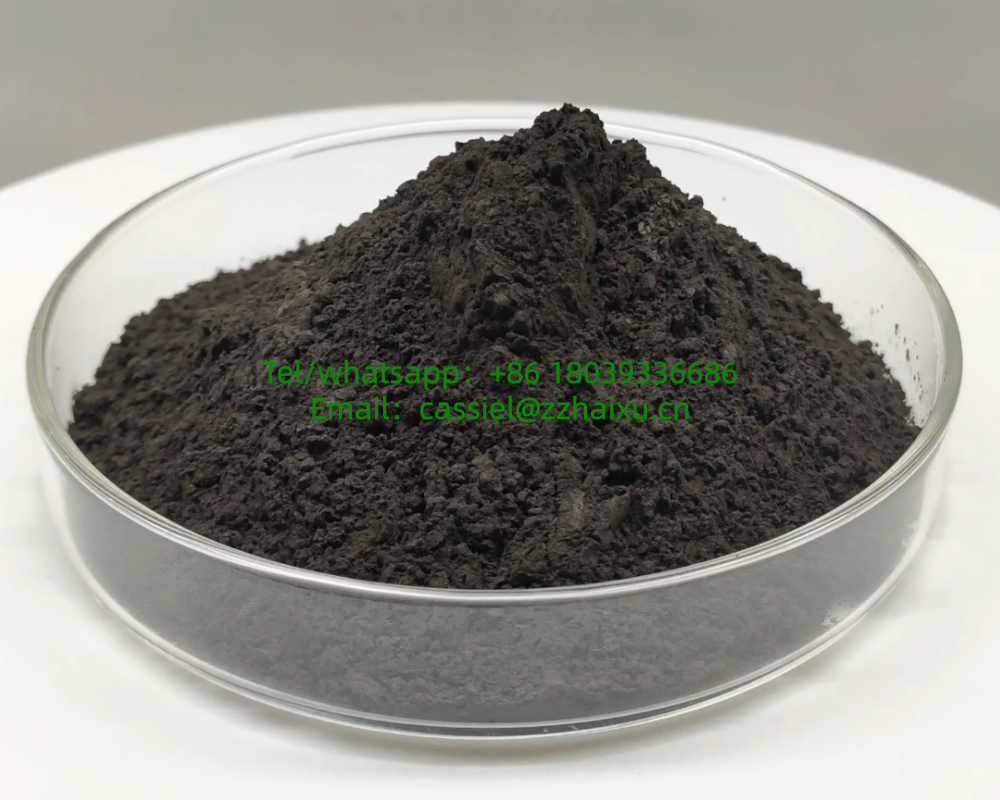
- Super‑fine (≥600 mesh, D50<20 μm) Advantages
- Fast melting, high tinting strength at equal dosage. Produces bright, translucent emerald‑green for premium bottles and decorative art glass.
- Very low risk of unmelted black specks.
Disadvantages
- Large specific surface area, easy to absorb moisture and agglomerate. Agglomerates will cause patchy color defects.
- Heavy dusting during batching, material loss and metering deviation.
- Slight increase of chromium volatilization, possible impact on furnace regenerators; higher grinding and purchase cost.
Application Recommendation
- Mass‑produced ordinary glass bottles: 325 mesh (most popular grade).
- Mid‑high‑grade wine bottles: 400 mesh.
- Premium art glass: 600‑800 mesh super‑fine iron chromite flour.
Note: Particle size alone cannot guarantee good coloring performance. Cr₂O₃ content, SiO₂ impurity and moisture must also be well‑controlled.