
Molten steel for steel casting has a high temperature above 1500°C, which easily causes two major defects: veining and burn-on. The material properties of chromite sand perfectly solve these two pain points, so it is highly suitable as facing sand for steel castings (the sand layer in direct contact with molten steel):
- Extremely low coefficient of thermal expansion → Excellent anti-veining performance (core advantage). Silica sand expands greatly when heated, and veining cracks readily form on steel casting surfaces. Chromite sand shows minimal expansion at high temperatures, greatly reducing veining defects on the mold surface caused by thermal stress. It is especially suitable for stainless steel and high alloy steel.
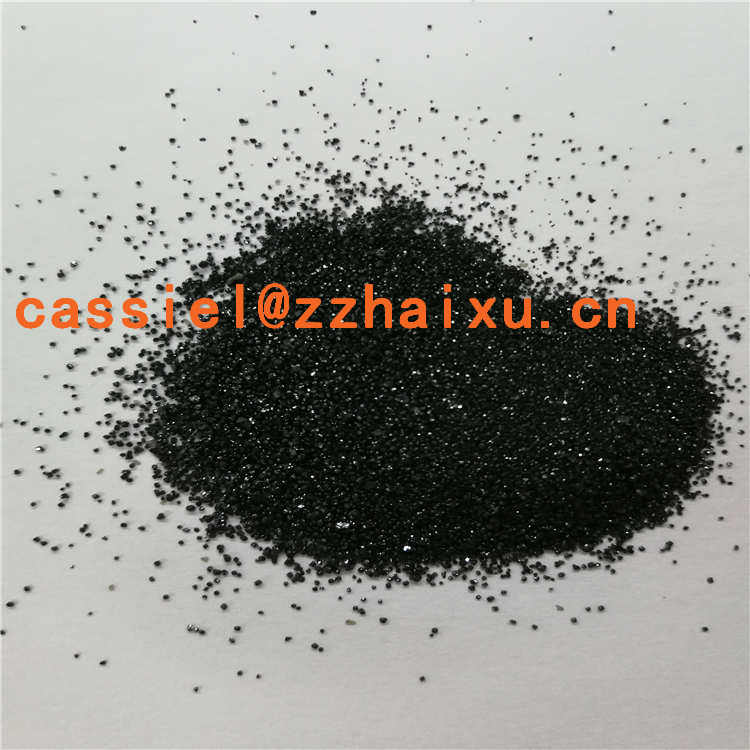
- High refractoriness and strong high-temperature chemical inertness → Effective prevention of burn-on. Its refractoriness reaches ≥1900°C. It cannot be wetted by molten steel at high temperatures, making it difficult for molten steel to penetrate the gaps between sand grains. This avoids burn-on and metal penetration, delivers smooth casting surfaces and cuts subsequent grinding and cleaning costs.
- Good thermal conductivity. It conducts heat better than silica sand, accelerates the solidification of molten steel, refines grain structure and lowers risks of shrinkage porosity and shrinkage cavities.
- Adjustable grain size (e.g. AFS45-55). It balances permeability and casting surface quality. It can discharge gas inside the mold cavity to prevent blowholes while producing flat and smooth casting surfaces.
- Stable chemistry at high temperatures. It will not react with alloying elements such as chromium and nickel in molten steel and will not contaminate the surface of high alloy castings.