
South African chromite flour with Cr₂O₃ ≥46% has become a mainstream natural mineral colorant for olive green and antique green glazes.
Compared with synthetic chromium oxide pigments, South African chromite flour delivers soft, natural olive-green tones under oxidizing firing atmosphere. It improves glaze wear resistance, thermal shock resistance and chemical durability, and works well for antique tiles, art ceramics and crystalline glazes. It can also be blended with iron oxide or manganese powder to produce brown-green and teal shades.
Color consistency heavily relies on raw material indexes. Buyers focus on Cr₂O₃ grade, Cr/Fe ratio, SiO₂, CaO, S and P content. High silica and calcium cause pinholes and clouding on glaze surface. S and P impurities bring black spots. Common mesh sizes include 325#, 400#, 800# for different glaze systems.
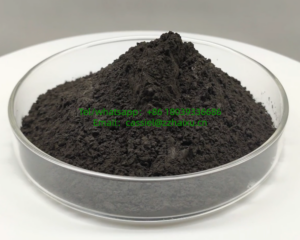
Low-grade chromite powder suffers from large color deviation. High-grade South African chromite flour enjoys stable repeat orders from leading glaze factories. As matte and antique ceramic products keep popular, demand for this natural mineral colorant will keep growing.