
Natural Mineral Colorant: Application Advantages of South African Chromite Powder in Ceramic Glazes and Antique Tile Pigments
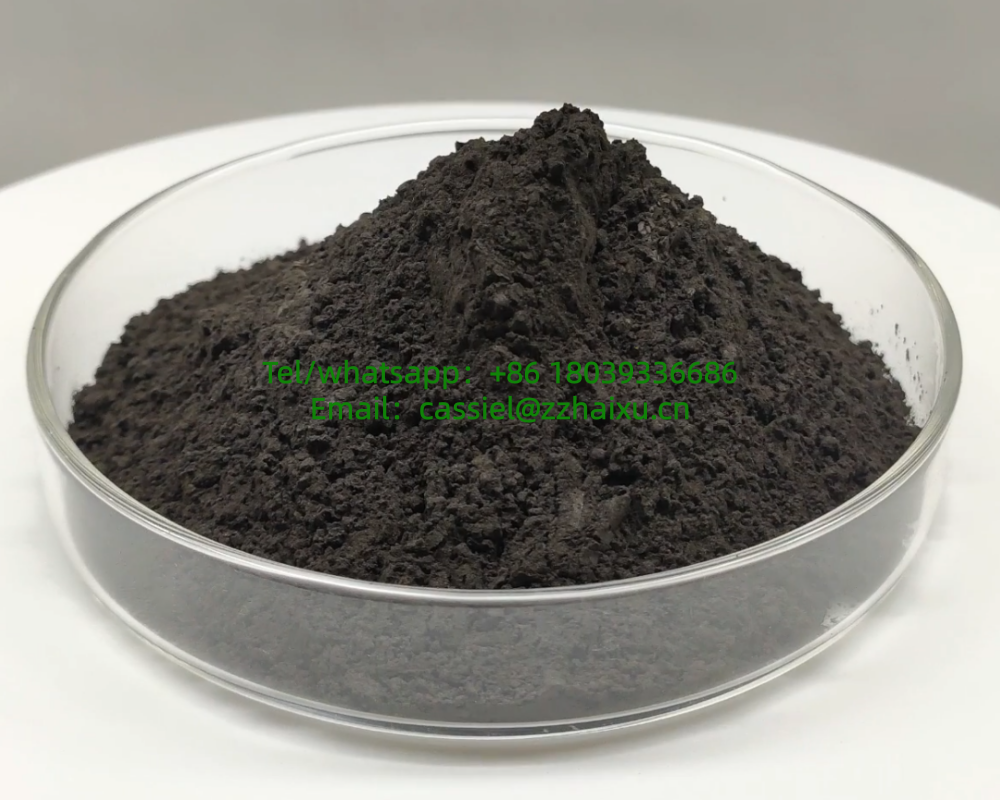
With the growing market demand for antique tiles, granite-style ceramic tiles and art ceramics, glaze and pigment manufacturers are searching for natural mineral colorants with stable color performance and cost advantages. South African chromite powder with Cr₂O₃ ≥44%~46% is a natural iron-chromium spinelite mineral. After purification and ultrafine grinding, it can be directly added into glaze systems as inorganic mineral pigment, widely used in architectural ceramic and artistic glaze formulas.
1.Rich color range for antique-style glaze
Chromite powder yields olive green, dark green, brown-black and grey-black hues. When blended with iron oxide, cobalt oxide and manganese oxides, it can also create compound retro glaze colours like tea brown, brown-green and grey-brown, well suited for antique tiles and matte stone-look tiles.
2.Stable color at high temperature,
The spinel crystal structure is compact. Accordingly, it maintains chemical stability at 1200–1400℃ and avoids fading in firing, with controllable batch color difference. In addition, high-grade South African chromite contains low silica, calcium and sulfur impurities to prevent glaze defects including pinholes, fogging and crystallization.
3.Dual functions: coloring + glaze reinforcement
High refractoriness and low thermal expansion coefficient help improve glaze hardness, abrasion resistance, acid & alkali resistance and thermal shock resistance. Proper dosage can also adjust sintering temperature and cut firing energy consumption.
4.Cost-effective for mass ceramic production
It is cheaper than synthetic chromium oxide green. For antique and stone-effect glaze formulas requiring earthy tones, it can partially replace synthetic chromium pigments and reduce raw material cost for large-scale tile production.
5.Flexible particle size selection C
ommon mesh sizes: 200#, 325#, 400#, 600#, 800#. 325# for regular antique base glaze;
600# / 800# ultrafine powder for thin glaze and high-end art glaze.
| Item | Specification |
|---|---|
| Cr₂O₃ | ≥44–47% (core color-forming component) |
| SiO₂ | ≤3.0% (strictly controlled to avoid glass stones and cords) |
| Total Iron (FeO+Fe₂O₃) | 26–28% |
| Al₂O₃ | ≤15.5% |
| MgO | ≤10.0% |
| CaO | ≤0.3% |
| Particle Size | 325 mesh, ≥95% passing sieve |
| Moisture | ≤0.5%, free-flowing without caking, low magnetic impurities |
| Appearance | Dark black-brown fine mineral powder |